
Key Takeaways
- A slip-on can change engine performance, but the result depends on the bike, muffler design, factory exhaust, and engine tune.
- Exhaust performance depends on gas flow, pipe dimensions, pressure-wave timing, and scavenging rather than backpressure alone.
- The best performance motorcycle exhaust matches the motorcycle and the rider's goals instead of chasing maximum flow at every RPM.
- A properly fitted slip-on isn't inherently harmful, but larger intake and exhaust changes can require changes to fueling or ECM calibration.
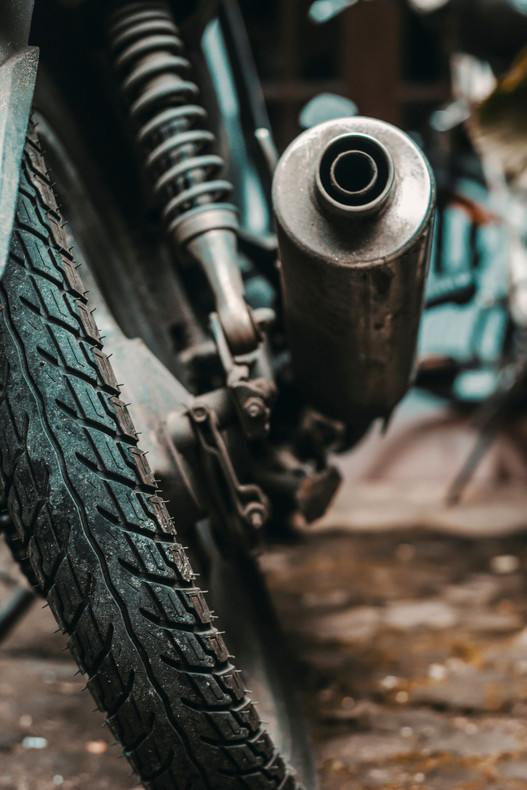
Your motorcycle's exhaust does more than carry hot gas away from the engine. Pipe diameter, length, bends, muffler construction, and changes in cross-sectional area all affect how exhaust gas and pressure waves travel away from the cylinders.
So, does a slip on exhaust affect horsepower enough to matter from the saddle? Sometimes. Understanding what happens inside the pipes explains why changing the muffler can affect engine behavior without producing the same result as replacing the complete exhaust system.
How Motorcycle Exhaust Flow Affects Performance
A four-stroke engine has to clear burned gases from the cylinder before the next combustion cycle. When the exhaust valve opens, pressure waves travel down the exhaust. Pipe length and construction affect how those waves reflect back toward the engine.
That process matters because a properly timed low-pressure wave can help clear remaining exhaust gas from the cylinder during valve overlap. Cycle World's technical coverage of exhaust tuning explains how pipe length and reflected pressure waves can change where a four-stroke engine produces power.
This is one reason the answer to whether a slip on exhaust affects horsepower isn't as simple as making the outlet bigger. Exhaust design has to account for flow, gas velocity, engine speed, and pressure waves working together.
Exhaust Backpressure, Velocity, and Pipe Size
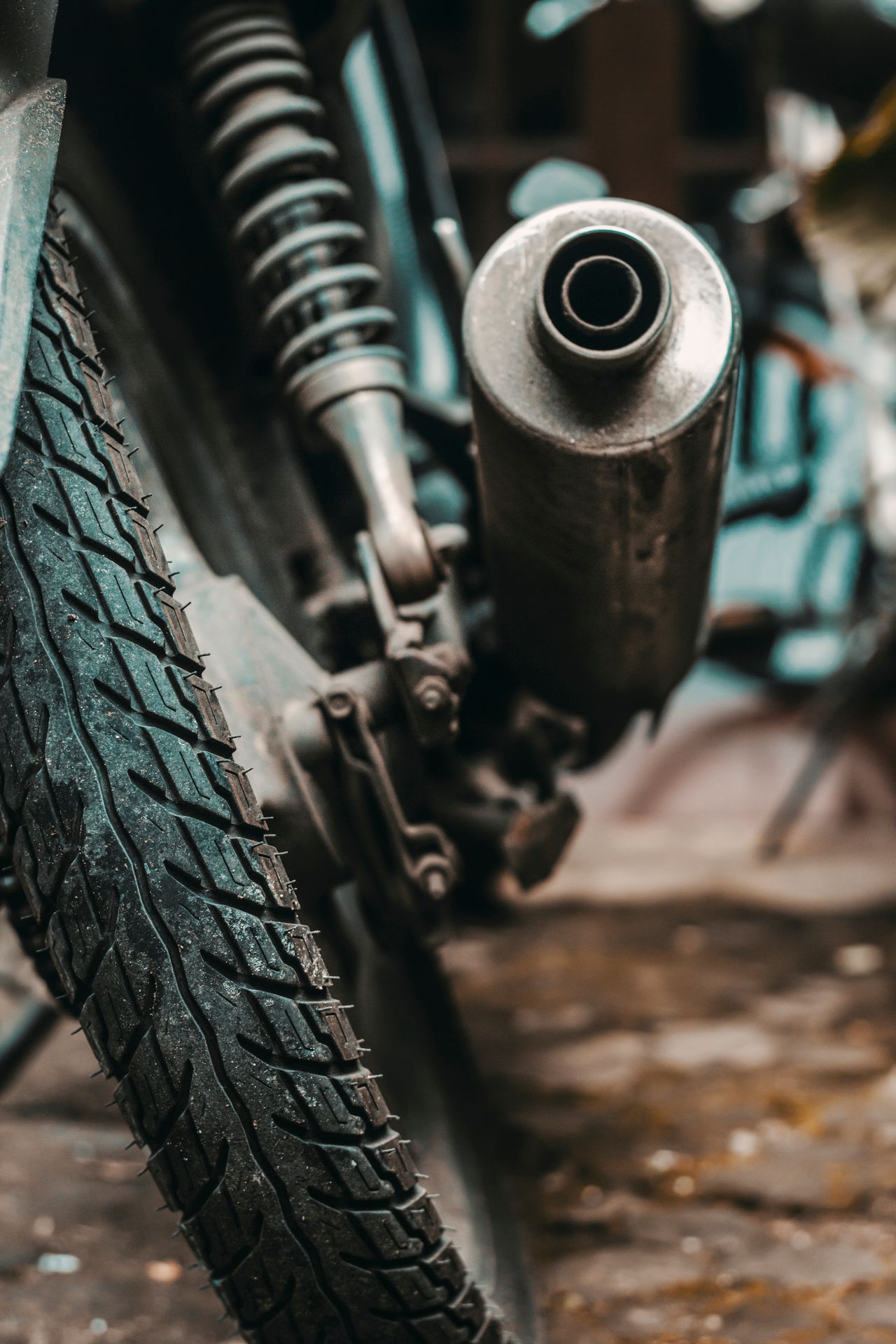
Backpressure gets plenty of attention when riders talk about exhaust performance. Reducing unnecessary restriction matters, but maximum flow isn't the whole job.
Pipe diameter affects exhaust-gas velocity. Pipe length affects when pressure waves return toward the exhaust valve. Change those dimensions and you can shift the RPM range where the exhaust works best.
The best performance motorcycle exhaust is therefore one matched to the engine rather than the largest pipe that fits. A design that works well at high RPM isn't guaranteed to produce the same result lower in the rev range.
Does a Slip-On Exhaust Affect Horsepower Like a Full System?
Usually not to the same degree. A slip-on replaces the muffler section while leaving the factory headers and much of the original exhaust intact. A full system can change header diameter, collector construction, pipe routing, weight, and muffler design at the same time.
That distinction limits how much of the system a slip-on changes. Still, does a slip on exhaust affect horsepower on your particular motorcycle? The dependable way to attach a horsepower number to the modification is to test that bike before and after installation under comparable conditions.
Harley-Davidson treats intake, exhaust, and ECM calibration as connected parts of its Stage I performance approach rather than promising one fixed horsepower increase from a muffler change alone.
Exhaust Changes and Engine Tuning
Modern fuel-injected motorcycles use an ECU or ECM to control fuel delivery according to programmed maps and sensor data. Changing how the engine breathes can change what that fueling system has to manage.
Some bikes tolerate a muffler-only swap on the factory calibration. Other combinations specifically call for calibration changes. Harley-Davidson's installation documentation for some Screamin' Eagle slip-on applications, for example, requires ECM recalibration.
So, does a slip on exhaust affect horsepower enough to require tuning? That depends on the motorcycle, the exhaust, and any other airflow changes you've made. Follow the instructions for your exact year and model instead of assuming one rule applies to every bike.

When to Check Your Motorcycle's Tune
A muffler-only swap on an otherwise stock motorcycle isn't the same modification as combining a freer-flowing exhaust with an intake and engine work. The second setup changes more variables.
If you've made several airflow changes, a controlled dyno run can show horsepower and torque throughout the RPM range. That gives you a measured answer to whether a slip on exhaust affects horsepower on your setup instead of relying on sound or seat-of-the-pants impressions.
For more detail, Boneshakers covers motorcycle exhaust tuning and the differences between slip-ons and full systems elsewhere on the site. Those guides can help you decide how much of the factory exhaust you actually need to change.
Choosing a Performance Exhaust
Start with fitment. An exhaust should be designed for the motorcycle's year and model, line up with the correct mounting points, and work with the rest of the bike's setup.
Then decide what you want from the modification. The best performance motorcycle exhaust for a rider focused on simple installation and sound may be different from the system chosen for a larger engine build.
Boneshakers builds motorcycle slip-on mufflers in North Carolina for riders who want a DIY-friendly exhaust change and a deeper, louder tone. Boneshakers' product guidance focuses on correct fitment, sound level, and straightforward installation rather than promising a horsepower number that can't apply to every motorcycle.
Match Exhaust Flow to Your Bike
Does a slip on exhaust affect horsepower? Yes, changing the exhaust can affect engine performance, but the muffler is only one part of the system. Headers, pipe dimensions, pressure-wave timing, intake flow, fueling, and tuning all influence what reaches the rear wheel.
The best performance motorcycle exhaust is the one that fits the bike and the job you're asking it to do. If you want a deeper, more aggressive exhaust note without replacing the complete system, shop Boneshakers slip-on mufflers and make some noise.
FAQ
Does a slip on exhaust affect horsepower without a tune?
It can. Some muffler-only changes work with the factory calibration, while other exhaust applications call for ECM recalibration. Check the instructions for your motorcycle and exhaust before deciding whether tuning is necessary.
Can a slip-on exhaust reduce horsepower?
A poorly matched exhaust can change where an engine produces torque and horsepower. Pipe diameter, length, gas velocity, and pressure-wave timing all affect how the system behaves across the RPM range.
Does slip on exhaust damage the engine?
A correctly selected and installed slip-on doesn't damage an engine simply because it's a slip-on. Problems can arise when intake, exhaust, or engine changes create fueling requirements that the existing setup isn't designed to handle.
Does a louder exhaust mean more horsepower?
No. Exhaust volume isn't a horsepower measurement. A muffler can make a motorcycle considerably louder without proving that the engine produces additional power.
Do I need a dyno tune after installing a slip-on?
Not every slip-on requires dyno tuning. Start with the manufacturer's instructions for your exact bike. If you've also changed the intake or other engine components, dyno and air-fuel measurements can show whether further calibration is needed.