

Key Takeaways:
- Heat cycles are basically a bake oven for grime that can’t just be wiped off.
- Stay gentle: microfiber, pH-neutral cleaners, and soft brushes keep coatings safe.
- Material matters when you clean motorcycle exhausts: Chrome, stainless steel, and black ceramic need different treatments.
- Skip harsh abrasives and acid cleaners; finish with a protectant.

We’ve all been there: you roll the bike into the garage, hit the easy spots with a towel, and call it "clean". The exhaust, though? Different animal. Salt mist, chain-lube sling, and cooked road grit glue themselves on like they paid rent. And here's where riders get into trouble: over-scrubbing. Push too hard and you’ll micro-scratch chrome, dull a ceramic coat, or make that blue "heat halo" worse instead of better.
The upside: a clean motorcycle exhaust with a showroom shine is totally doable without wrecking the finish. Think patient, methodical, and a touch of finesse. Let us at Boneshakers walk you through cleaning your pipes properly.
Why Grime Bakes onto Exhaust-Pipes
Every ride cycles exhaust pipes from cold to blazing hot, which basically cooks anything that splashes on them: salt, grease, chain lube, and even melted rubber. Once baked, that grime clings like barnacles. Over time, you'll notice discoloration, rough patches, and sometimes pitting if salt and moisture sit too long. This is why it's so important to know how to clean your motorcycle exhaust.
Getting a clean motorcycle exhaust is not just about looks, either. That buildup can hold in heat, which stresses the metal and accelerates wear. A smart clean keeps both the shine and the longevity.
Gear Checklist for a Scratch-Free Shine
Before cleaning, set yourself up right:
- Fresh microfiber cloths. Old tees are for oil changes. Microfiber traps grit instead of dragging it across the finish.
- pH-neutral degreaser. You want gentle but stubborn: strong enough to melt chain mist but not so hot it strips coatings.
- Brass-bristle brush. Brass plays nice – stiff enough to nudge carbon specks, soft enough not to etch your clean motorcycle exhaust.
- Bucket of warm water. Nothing fancy, just a steady rinse so you're not scrubbing dirt back into the pipe.
- Gloves. Trust us – chain lube under the nails sticks around longer than you'd think.
- (Optional) Bike-safe spray cleaner. The kind made for mixed metals/finishes is a time saver on big jobs.
Cleaning: Step-by-Step
Not all pipes are created equal. Chrome, stainless steel, and black ceramic each need their own TLC.
Chrome Pipes
- Cool completely. Never spray cleaner on hot chrome, or it can etch!
- Rinse first to loosen grit before scrubbing.
- Apply degreaser. Work it in with microfiber for a super clean motorcycle exhaust.
- Tackle tough spots. Use a brass brush lightly if needed.
- Polish. A chrome-safe polish restores shine.
Stainless Steel Pipes
- Degrease generously. Stainless hides grime better, but it's there. Knowing how to clean motorcycle exhausts means finding hidden wear.
- Brush stubborn marks. Brass bristles handle soot and tar.
- Buff dry. Clean microfiber cloths restore that satin look.
Black Ceramic Pipes
- Stick to mild soap. Harsh cleaners fade coatings.
- Avoid abrasives. No brushes. Just microfiber.
- Pat dry. Don't rub aggressively, or you'll dull the finish.
Common Mistakes
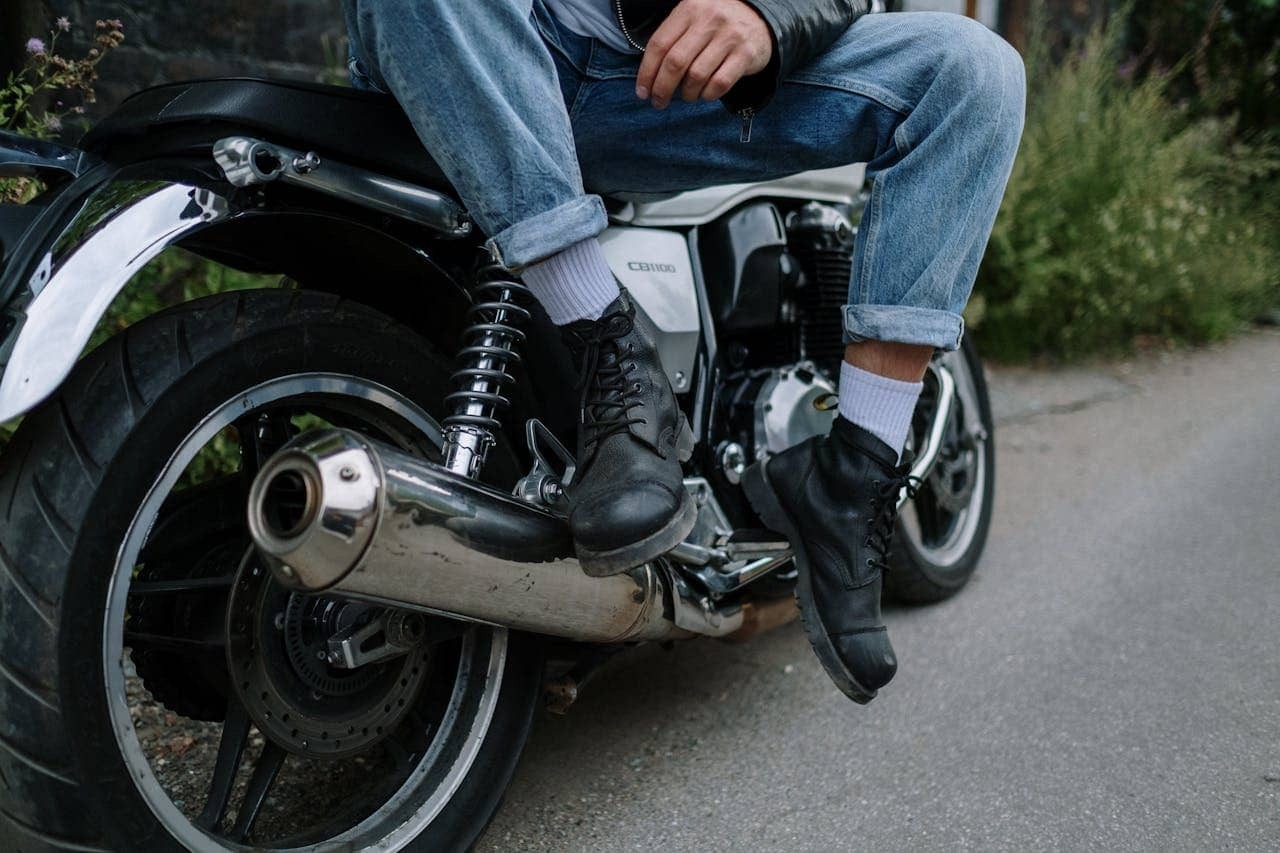
We've watched riders ruin chrome with oven cleaner. Steel wool is another repeat offender: yes, it can clean a motorcycle exhaust by lifting carbon spots, but it also leaves scratches that catch rust. Acidic wheel cleaners? Great for rims, terrible for pipes – they strip protective coatings fast.
Better moves instead:
- Brass or nylon brushes over steel wool.
- Motorcycle-safe degreaser over mystery shop chemicals.
- Two light passes instead of one aggressive scrub.
Harley-Davidson’s service-info page puts particular emphasis on the importance of avoiding abrasive materials, improper cleaning compounds, and using tools like pressure washers.
Protectant: Does It Really Stop Bluing?
Short answer? Not really. Bluing is heat-driven, not dirt-driven. But a protective coat does help clean motorcycle exhausts in other ways: it reduces water spots, repels road salt, and makes the next cleanup easier – which is part of knowing how to clean motorcycle exhausts. Some sprays claim anti-bluing properties, but at best, they slow it down. Heat shields or exhaust wraps remain the best prevention.
Still, a quick coat after cleaning is worth the time. It locks in that just-polished look and helps pipes resist future onslaughts.
Case in Point
A Boneshakers fan from Idaho shared how his stainless pipes looked permanently stained after a winter of salted roads. A switch to consistent monthly motorcycle exhaust clean-up sessions and a light ceramic protectant kept his new motorcycle slip-on mufflers spotless through the next two winters. The difference was the routine, not a miracle product.
Keep the Finish, Keep the Roar
The exhaust isn't just plumbing. Mirror-bright chrome, brushed stainless, stealthy black ceramic – they all say something before you even thumb the starter. Treat them like part of the build, not an afterthought.
So here's the play: slow down, gear up right, and make a proper deep clean part of your maintenance rhythm. It's cheaper than new pipes and way kinder to your finish. Clean your motorcycle's exhaust right, and those cans will look sharp, run cool, and keep turning heads long after the odometer rolls over.
Got more questions? Contact Boneshakers anytime to talk about your bike needs.
Ride louder. Ride prouder.